Electronic & PCB Design
Schematic capture, component selection, multilayer layouts, high-speed interfaces and design-for-manufacturing reviews.
Electronics engineering, mechanical engineering and embedded technologies—brought together to turn ambitious ideas into thoughtfully engineered products.
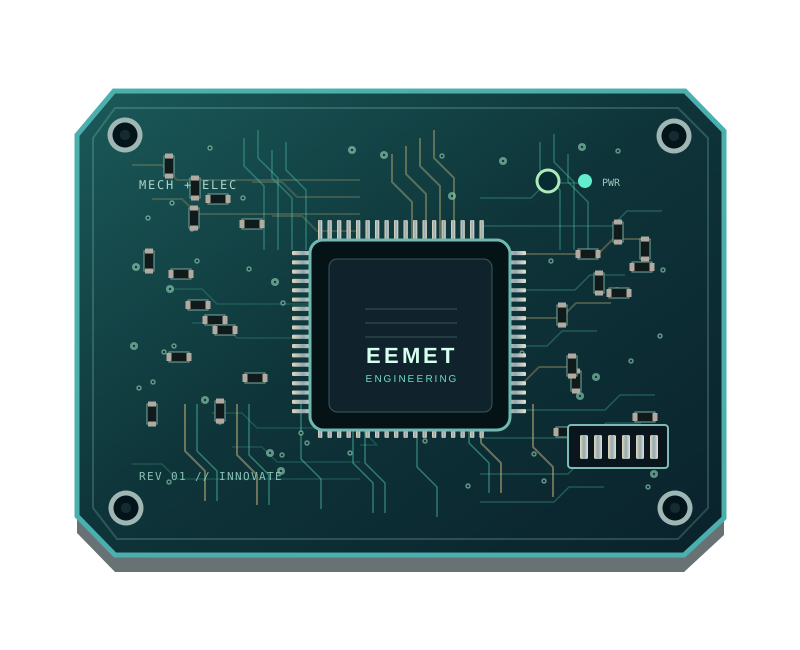
Strong products need electrical and mechanical systems to work as one. We connect the pieces—from architecture and design to practical integration.
Schematic capture, component selection, multilayer layouts, high-speed interfaces and design-for-manufacturing reviews.
Microcontroller firmware, device drivers, real-time control, sensing, communications and hardware bring-up.
Enclosures, CAD assemblies, mounting architecture, mechanical integration and prototyping workflows.
Connected products using Wi-Fi, Bluetooth, LoRa, cellular networks and industrial protocols.
Power conversion, battery management, protection circuits, switching and industrial control interfaces.
End-to-end collaboration from concept and architecture through prototype integration, testing and handoff.
Explore representative engineering capabilities spanning electronics, precision mechanics, sensing and intelligent systems.
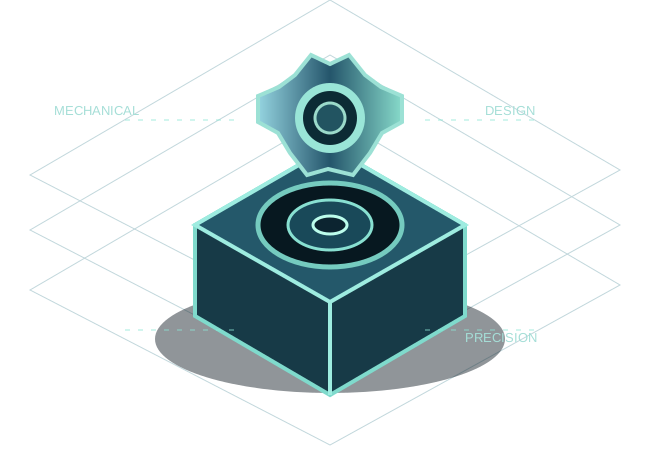
Enclosure geometry, PCB placement, interfaces and embedded control belong in the same conversation. Better integration starts early, not after the first prototype.
Multilayer hardware, high-speed interfaces, power design and board-level integration.
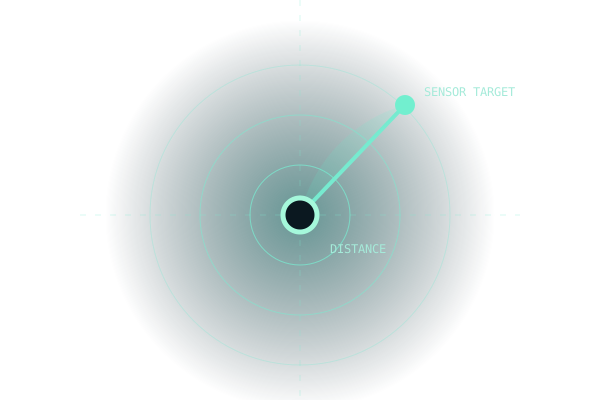
Real-world measurements, embedded algorithms and industrial field communications.
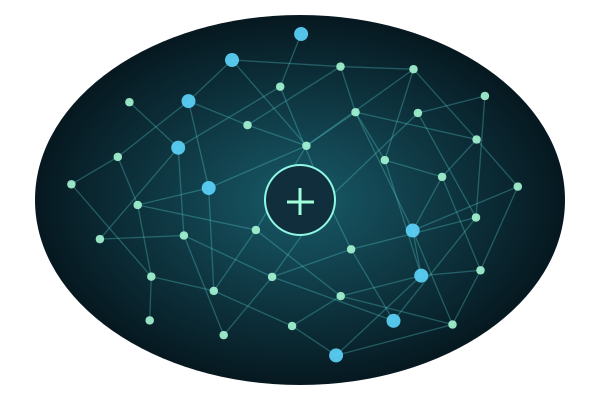
Smart sensors, embedded processing and opportunities for AI-enabled features.
Visuals are original illustrations. These are representative capability areas, not photographs of completed client projects.
Simple, transparent stages to keep multi-disciplinary engineering work organized and reviewable.
Identify targets, interfaces, constraints, risks and priorities before design begins.
Align electronics, firmware and mechanical integration around a coherent plan.
Develop design files, assemble prototypes and validate important functions.
Review results, iterate and package clear technical deliverables as agreed.
EE for Electronics Engineering. ME for Mechanical Engineering. T for Technologies. EEMET Solutions is built around a simple belief: the strongest products emerge when every discipline is considered together.
Our aim is to help turn ideas into realistic, integrated designs—balancing technical performance, usability, manufacturing constraints and thoughtful execution.
Tell us about your concept, technical challenge or development goals.